
US Passport Photo Size Explained: A Complete 2025 Overview
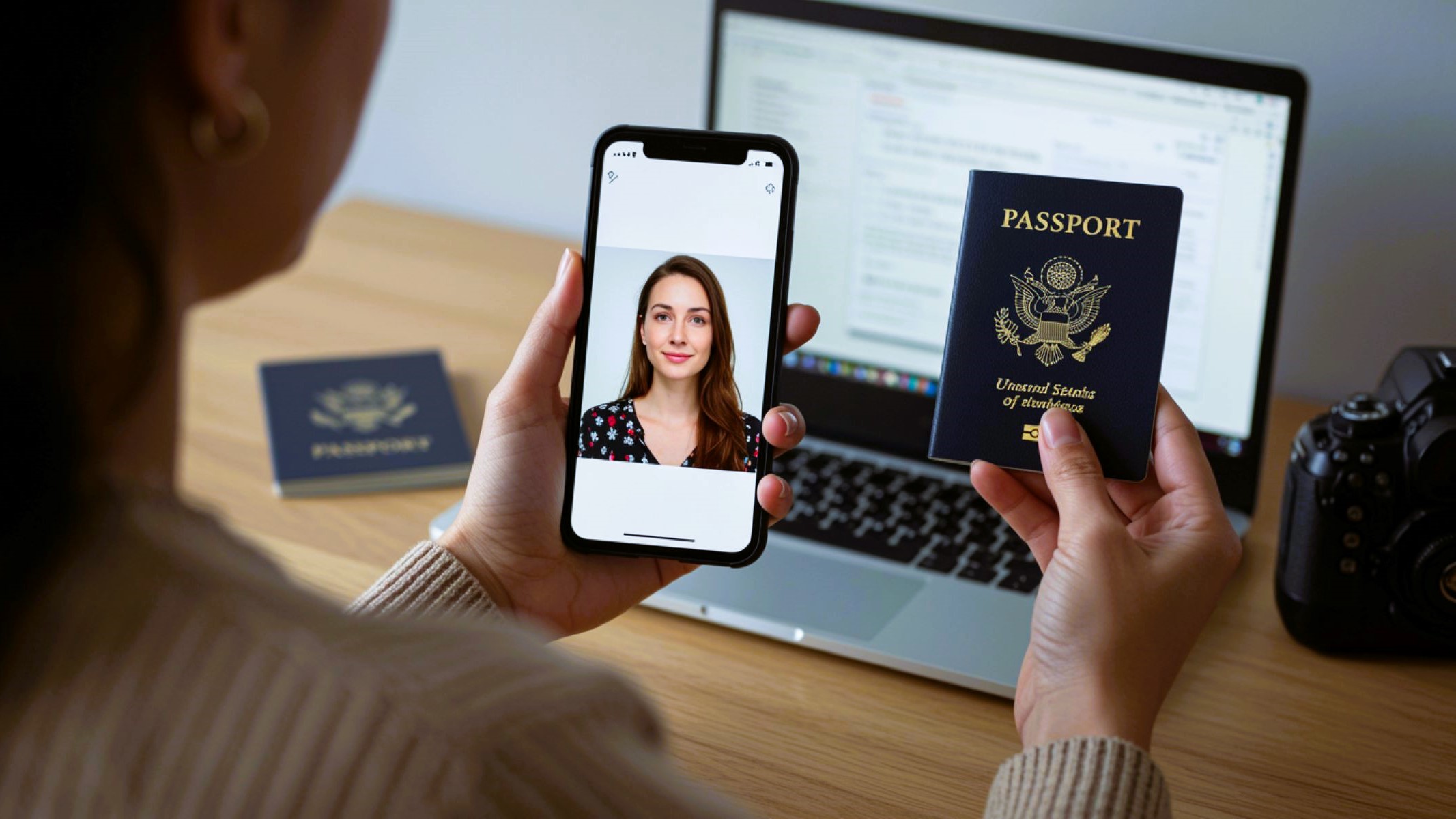
So, you’re gearing up to apply for a US passport in 2025, and one of the biggest headaches is probably the 2×2 passport photo. Why? Because it’s not just a simple selfie—you’ve got to meet strict size and quality rules to avoid delays. Don’t worry! This guide will explain everything about the US passport photo size, from the official dimensions to handy tips for snapping the perfect picture.
Why Passport Photo Size Matters
You might think a photo is just a photo, but when it comes to passports, it’s much more than that. The United States government enforces very specific rules about passport photo sizes to ensure every photo is uniform and meets security standards. These rules make it easier for officials to verify identities quickly and accurately, helping to prevent fraud or misuse. If your photo doesn’t comply with these regulations—whether it’s too large, too small, blurry, or improperly centered—your passport application can be rejected outright. This rejection means more waiting time, extra costs, and additional effort to retake and resubmit your photo, which can be frustrating if you need your passport urgently.
Understanding and adhering to these rules before you take or submit your photo is essential for a smooth passport application process. It can save you from unnecessary headaches, delays, and potentially higher fees for expedited services. Plus, submitting the right photo the first time increases the chances that your passport will be processed quickly, allowing you to focus on your travel plans instead of paperwork. So, even though it may seem like a small detail, the passport photo size and quality standards are crucial components in ensuring your application is accepted without issues.
Official US Passport Photo Size Specifications
The US Department of State has laid out very clear and strict guidelines for what qualifies as an acceptable passport photo. These rules are designed to maintain consistency and ensure the photo can be used effectively for identification. Here are the essential points every applicant should know:
Dimensions Details
- The official passport photo size must be 2 inches by 2 inches (51 mm by 51 mm). This square format is non-negotiable and forms the baseline for all submissions.
- The head size, measured from the bottom of your chin to the top of your hair, should be between 1 inch and 1 3/8 inches (25 mm to 35 mm). This range ensures your face is clearly visible without overcrowding the photo frame.
- Your head must be centered within the frame, and your face must be looking directly at the camera with both eyes open. This positioning helps immigration officers verify your identity quickly and efficiently.
Meeting these dimensions is critical because even slight deviations can cause the photo to be rejected. It’s important to measure carefully and ensure your photo matches these specifications exactly.
Photo Quality and Format
- The photo must be in color, not black and white or grayscale, to provide accurate and realistic identification. It must also be clear and in sharp focus without any blurriness or pixelation.
- The image resolution should be at least 300 dpi (dots per inch) to maintain crisp detail when printed or viewed digitally. Low-resolution images may appear blurry or distorted, which is unacceptable.
- If you’re submitting a digital photo, the most commonly accepted format is JPEG, with minimal compression to avoid quality loss. Heavy compression can cause artifacts or graininess that might cause rejection.
- The background must be plain white or off-white, with no shadows, patterns, or objects visible behind you. A clean background eliminates distractions and helps facial features stand out clearly, which is essential for facial recognition.
Ensuring your photo adheres to these quality and format standards guarantees that it will be accepted by the Department of State without delays related to image issues.
Step-by-Step Guide to Taking the Perfect US Passport Photo
Taking your own passport photo can save time and money, especially if you don’t want to visit a professional photographer. However, it’s important to follow precise steps to ensure the photo meets all government requirements. First, prepare yourself by dressing in everyday clothing that doesn’t resemble a uniform or camouflage, as these are not allowed. Make sure your hair is neatly styled and away from your face so that your full facial features are visible. Keep your expression neutral; avoid smiling or frowning to maintain the seriousness required for official identification.
Next, select the right background for your photo. The US Department of State mandates a plain white or off-white background without any shadows or patterns. A clean wall works perfectly. Good lighting is crucial — natural light is best because it evenly illuminates your face and minimizes harsh shadows. Position yourself so that no shadows fall on the background or your face. When it’s time to take the photo, face the camera directly, looking straight into the lens. Your eyes should be open and visible, and your head should be centered within the frame. Lastly, keep accessories to a minimum. Remove hats, glasses, and headphones unless they are worn daily for religious or medical reasons, and in those cases, be prepared to provide documentation.
| Step | What to Do | What to Avoid | Notes |
| 1. Prepare Yourself | Wear everyday clothes, keep hair off face | No uniforms, camouflage, or hats | Clothes should contrast with background |
| 2. Choose Background | Use plain white or off-white wall | No patterns, shadows, or colors | Avoid textured or colored backgrounds |
| 3. Use Good Lighting | Natural, even lighting | Avoid harsh shadows or uneven lighting | Position near a window or outdoors in shade |
| 4. Face Camera Straight On | Look directly into lens, neutral expression | No smiling, tilting head, or looking away | Keep both eyes open and visible |
| 5. Keep Accessories Minimal | Remove glasses, hats, headphones (unless exceptions apply) | No sunglasses or tinted lenses | Religious or medical headwear allowed with proof |
Following this guide carefully will increase the chances that your photo will pass inspection on the first try, helping to avoid delays in your passport application.
Updating Your Passport Photo in 2025
If you are planning to renew your US passport in 2025, updating your passport photo is an important step you cannot overlook. The government requires that your passport photo be recent—meaning it must have been taken within the last six months. This ensures that the photo accurately represents your current appearance. If your photo is older than six months, or if your appearance has changed significantly (for example, due to hairstyle changes, facial hair, weight changes, or medical reasons), you are required to submit a new photo. This rule applies regardless of whether you are applying for a new passport or renewing an existing one.
Renewing your passport without providing a new photo that meets the current specifications can result in delays or even rejection of your application. Always follow the same photo guidelines as you would for a new passport application. This includes the 2×2 inch photo size, plain background, and quality requirements. Taking time to get your photo right when renewing can save you unnecessary headaches and speed up the processing of your passport, ensuring that you remain ready to travel without interruption.
Special Cases for Passport Photos
Certain applicants face unique challenges when taking passport photos, such as children or individuals with disabilities or special needs. For children, the photo size requirements remain the same—2×2 inches—but extra care must be taken to ensure the child’s head size fits within the proper range (between 1 inch and 1 3/8 inches). Additionally, children should have a neutral facial expression if possible, though minor deviations are generally accepted due to the difficulty of keeping very young children still and composed. The background and photo quality requirements still apply strictly.
For applicants with disabilities or special medical or religious needs, there are specific exceptions allowed. For example, if you wear glasses daily for medical reasons, you may be permitted to keep them on in your photo, but you must provide a signed statement explaining the necessity. Similarly, head coverings for religious reasons are allowed, but the face must remain fully visible from the bottom of the chin to the top of the forehead, and from ear to ear. These accommodations help ensure all applicants can comply with passport requirements while respecting their personal or religious needs.